Research
My current work analyzes Black laborers’ experiences on sugarcane plantations in the 20th century Dominican Republic and Haiti. I analyze the impact of United States imperialism on structuring environmental relations across race, gender, and ability, and how Black workers living on plantations challenge these relations to build communities of care.
I conduct literary analysis and multilingual archival research in Spanish, English, and Haitian Creole. I approach Black Caribbean literature through ecocriticism to understand the Black radical imagination. My archival research draws from the Radio Haiti audio archive, Haiti’s first independent radio station whose broadcast in Haitian Creole amplified the voices of rural working-class Haitians. I analyze testimonials of Haitians trafficked to cut sugarcane in the Dominican Republic, and their embodied experiences of racial capitalism through hunger and surveillance.
For my dissertation project, I have received funding through the Tinker Field Research Grant, the Foreign Language and Area Studies Fellowship, the American Association of University Women American Dissertation Fellowship, and the Society of Women Geographers.
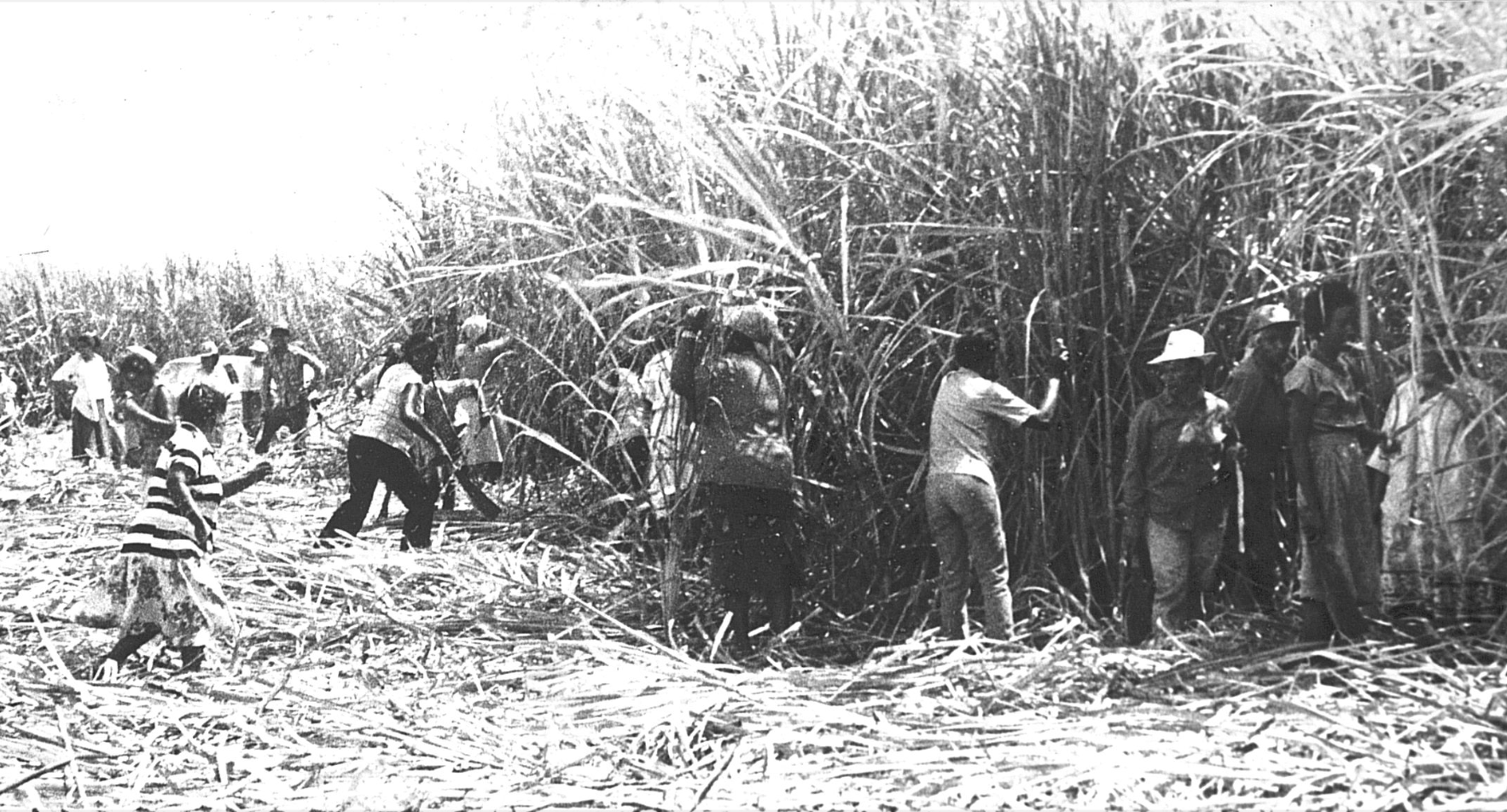
Dominican Republic, 1984. Source: Archivo General de la Nación
[Image description: Black and white photo of workers cutting sugarcane. End Description.]
My MA thesis analyzed the neoliberal tourist industry to understand Spanish colonial influence on Dominican national identity and its relationship to 20th century US imperial projects on the island. My project was funded by the John L. Warfield Center of African and African American Studies, and I have published a methodological article on critical archive studies based on my research linked here published in Emotion, Space, and Society. For my MA Thesis, I was awarded UT's Outstanding Master's Thesis Award.
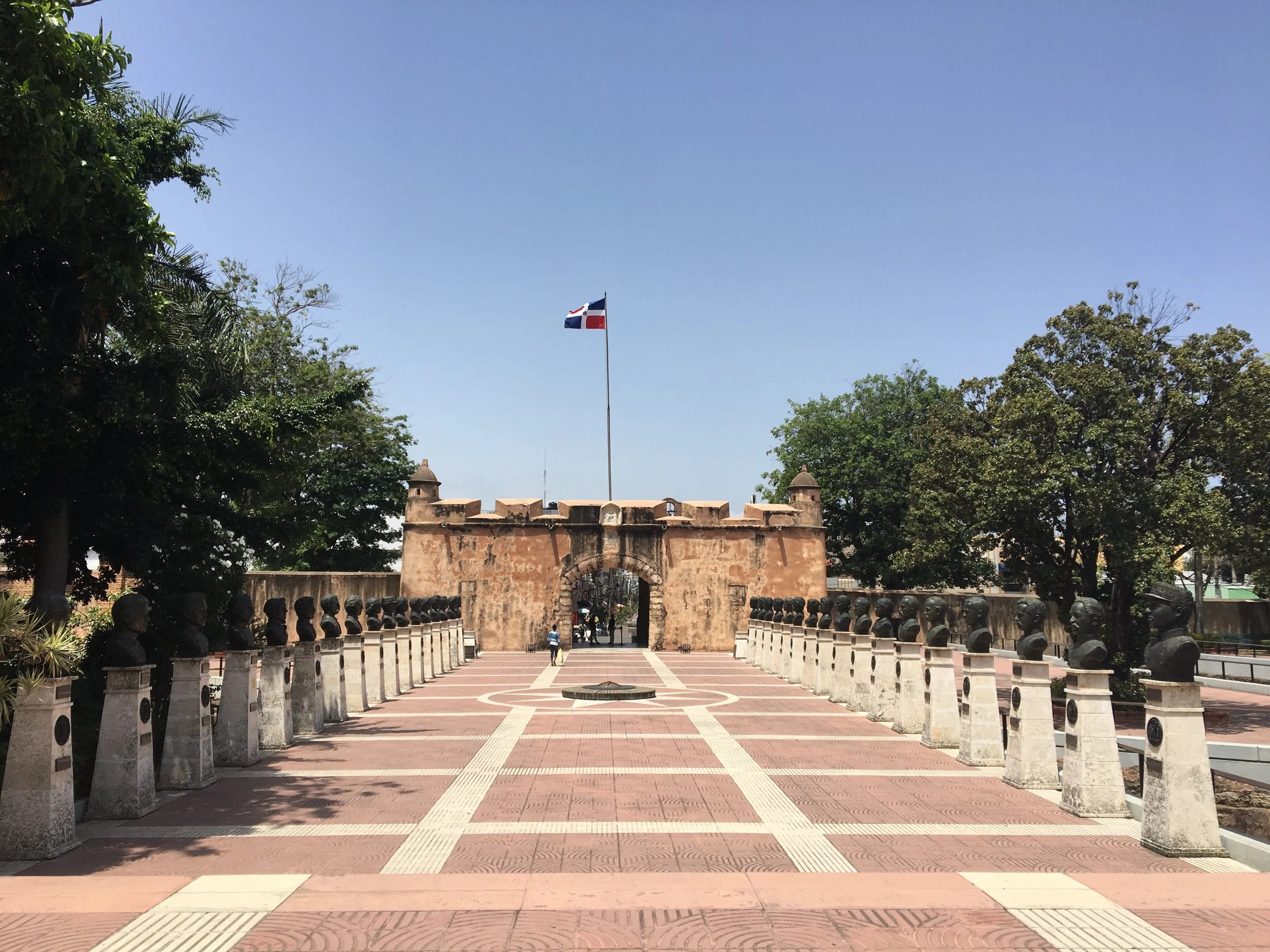
Santo Domingo, Dominican Republic. 2019. Photos by me.
[Image description Photo 1: Photo of a statue of Christopher Columbus in Parque Colón. Photo 2: Photo of Parque Independencia. Two rows of busts line the square of the parque, leading to a large Dominican flag. End Description.]